Phu Quoc Island Beach Guide
00
04
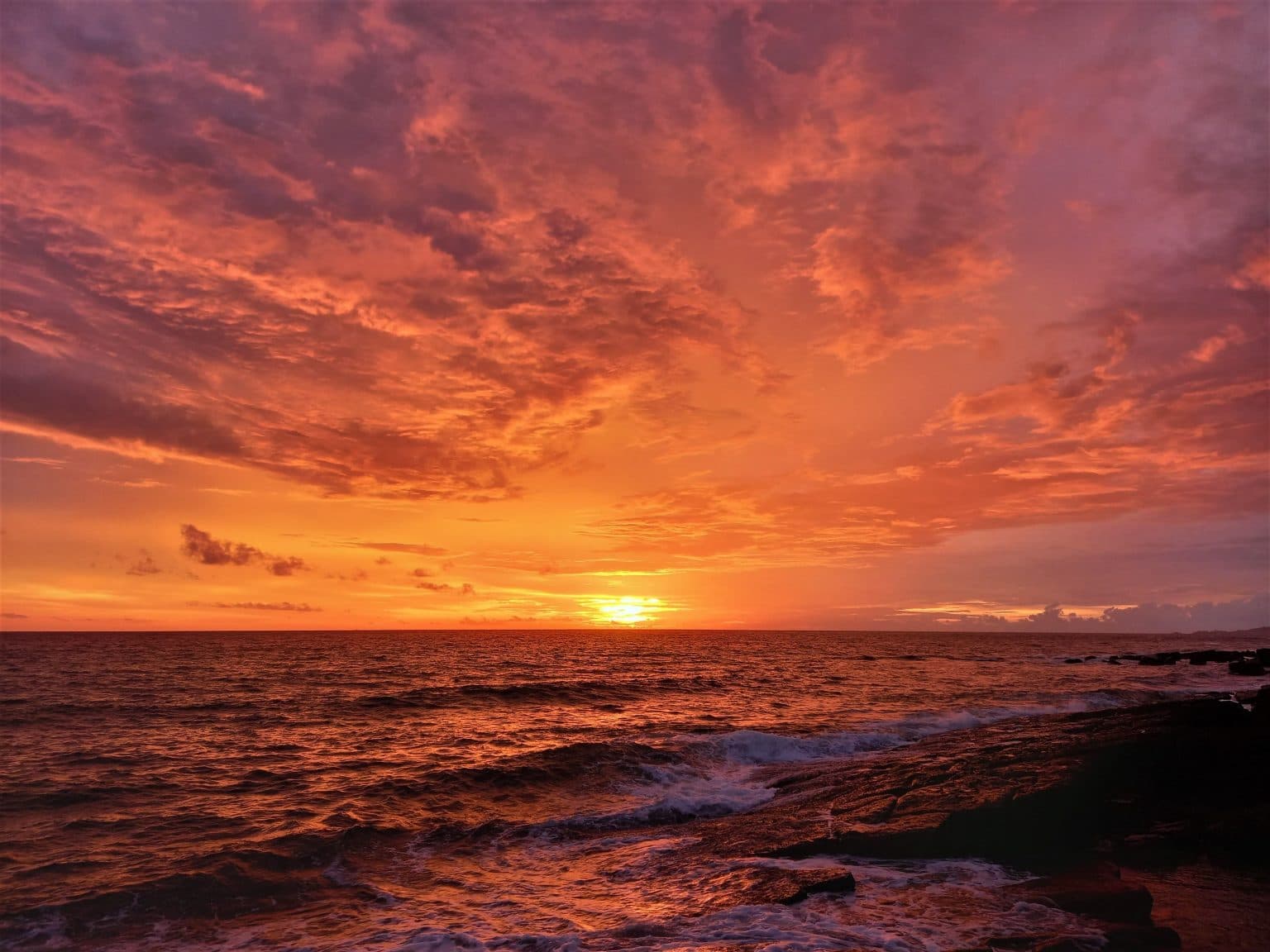
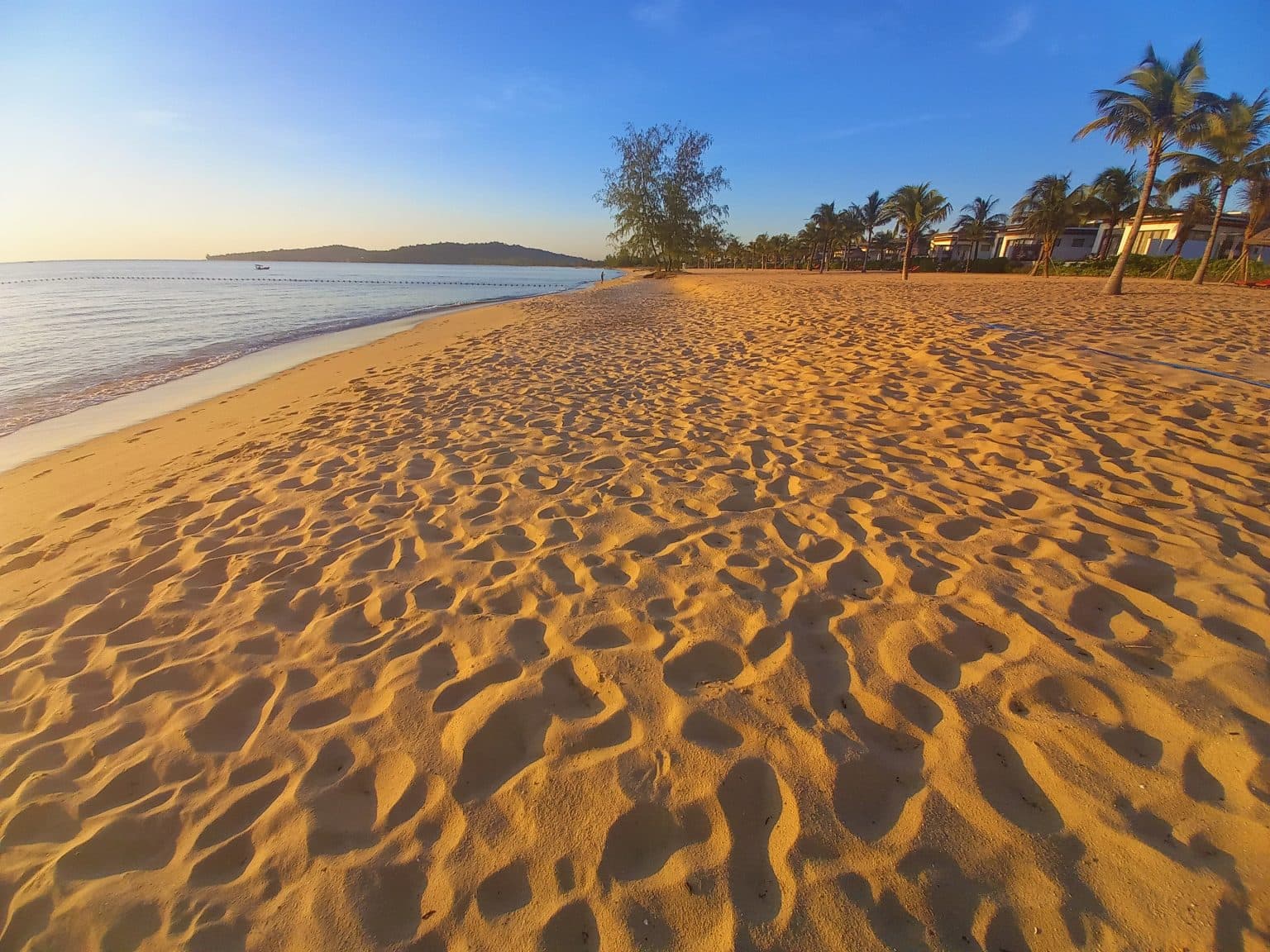
Vietnam’s largest island and one of the country’s most popular coastal destinations, Phú Quốc has dozens of excellent beaches. This guide covers 21 beaches on Phú Quốc Island, including tips for accommodation, food and drink, and things to see and do on each one of them. Phú Quốc has all kinds of beaches: from rustic, empty and undeveloped to sophisticated, modern and resort-studded; from budget backpacker enclaves to secluded, luxurious private bays. Don’t listen to the naysayers: Phú Quốc is not ruined. There is something for everyone on this island. It’s all about managing your expectations and finding the right beach and the right accommodation to suit your particular needs. That’s exactly what this guide is for. I’ve spent many, many months exploring Phú Quốc Island and I love it. Yes, trash can sometimes be a problem, but this is a much more nuanced and complex issue than most foreign visitors have time to appreciate. (Get the full Phu Quoc Beach Offline Guide & Map by clicking the banner above or buy it here.
Find Your Perfect Beach on Vietnam’s Largest Tropical Island
The following beaches are listed in order of my own personal preference. (Note that this guide does not include the small islands off the southern tip of Phú Quốc.) I’ve written a description of each beach, plotted them on my map, illustrated them with photos, and included my tips for places to stay with links to check rates and make bookings . I’ve listed accommodation in three price categories: ($)=budget, ($$)=mid-range, ($$$)=high-end. The best time to visit is from November to April when sea conditions are generally calm and clean, or during the shoulder months (October and May) when prices are lower, availability is higher, and tourist numbers are fewer. Click a beach from the list below for details or buy the Offline Guide & Map. (Remember there’s much more to Phú Quốc than just beaches: check out my other Phú Quốc Island guides in Related Posts.
Ông Lang Beach
Description: Peaceful, calm, low-key and low-rise, Ông Lang is a series of connected mini-bays, coves and beaches just 15 minutes north of Dương Đông, the island’s main town. Taking everything into consideration – natural beauty, range and quality of accommodation, drinking and dining options, proximity to conveniences and transportation, the balance of development and the natural environment – Ông Lang is the best overall beach for travellers on Phú Quốc Island. Rather than a long, unbroken beach, Ông Lang is a mixture of soft sand punctuated by slabs of black rock and small jungle-clad bluffs that meet the clear, calm, vivid-blue sea. Being on the west coast, Ông Lang boasts some of the best sunset views on the island. The beach is backed by coconut palms, casuarina trees and tropical fruit orchards along most of its length. Inland, between the beach and the main road, a leafy network of paved lanes and dirt alleyways was, before the pandemic, a thriving tourist enclave of boutique stores, organic-produce shops, hipster cafes, smooth bars and Western restaurants. Today, many of the businesses have closed, but there are signs of a return to the vibrancy of the pre-pandemic period.
Unlike other popular beaches on the island, most of the development on Ông Lang has been low-rise and relatively low-impact. Despite being one of the best-known and popular beaches on Phú Quốc, Ông Lang has somehow managed to retain a low-key atmosphere and it remains an extremely attractive place to stay for a few days on the island. Whether you’re a family, a couple, or a group of backpackers, Ông Lang Beach has got you covered. The general level of accommodation across all budgets is excellent. Luxury and mid-range resorts are along the beachfront, while most of the cheaper options are inland, just a few minutes’ walk from the sea. Mango Bay is quite simply one of the most atmospheric resorts in Vietnam, but Camia, Ancarine, Coco Palm, Ocean Bay, Chen Sea and The Shells are also very nice indeed. Excellent budget options include Island Lodge, Ninila Fruit Farm, and Coco Garden.
Rạch Tràm Beach
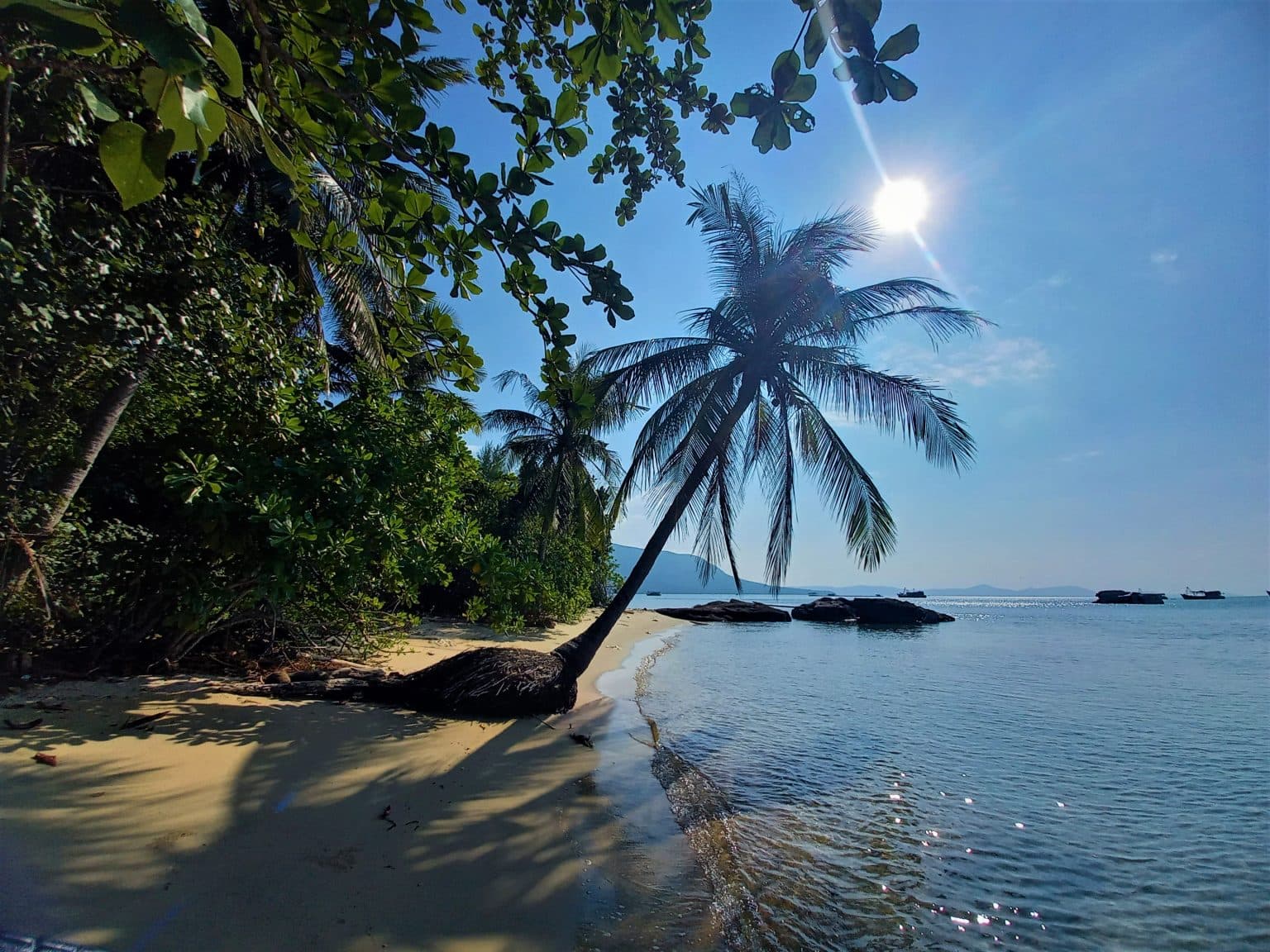
Description: Right at the northern tip of the island, Rạch Tràm is by far the most remote and least-visited of all the beaches and bays on Phú Quốc Island, and yet it is also one of the most beautiful. Completely undeveloped, Rạch Tràm features kilometres of fine white sand beneath arcing coconut palms lining a calm, clear, turquoise sea. Rạch Tràm fishing hamlet, at the southern end, is a scruffy-looking collection of corrugated-iron dwellings and wooden fishing boats. While there’s some trash from the village in the sea and on the sand, the further north you go along Rạch Tràm, the cleaner it gets. The 10km branch road to the beach is now wide and paved, making access easier than ever before. At the end of the road, bear right along a hundred meters of dirt track, then left down a sandy path until you reach the sea. From here, head north along the sands and enjoy the completely empty beach and wonderful sea swimming. There are plans to make the area into an ‘eco-tourism’ site, but for now there’s no accommodation whatsoever. If you have a tent, camp out on the sands for a memorable night. Behind the beach, densely jungled hills rise into the sky where birds of prey circle; and in the distance, the silhouettes of the Cambodian mainland and islands are clearly visible.
Gành Dầu Beach
Description: On the remote northwestern tip of the island, Gành Dầu is a fascinating little corner of Phú Quốc. Gành Dầu is a rocky, jungle-clad cape within just a few of kilometres of Cambodia, whose forested islands and rugged mainland can be seen across the glistening sea. Gành Dầu is a bustling fishing village with an active and interesting market, a harbour full of wooden boats, an ornate temple, and lots of street food and local life. Either side of the village there are short, sandy beaches and coves which are very pretty and good for swimming. The western beach is close to the village and lined with some good seafood restaurants, such as Biên Hải Quán, a couple of great beachside bars with sea views (check out Chill Bistro and 40six Beach Haus, which are perfect for cocktails and a swim as the sun sets behind the Cambodian islands), and a waterfront raised wooden walkway leading along the rocks to the south.
But, the best way to experience Gành Dầu is to take the paved lane east of the village, through the market and out to a collection of good, small, beach resorts. Here, coconut palms grow tall over spits of white sand, and the sea is calm and blue. By far the best place to stay (and eat and drink and swim) is Gold Coast with it’s lovely little beach, wooden house restaurant by the sea, and great cocktails served on a pier with sunset views. If you’re looking for something cheaper, Kim 2 is a good option. There’s also a range of watersports available at Gió Biển.
Hàm Rồng Beach
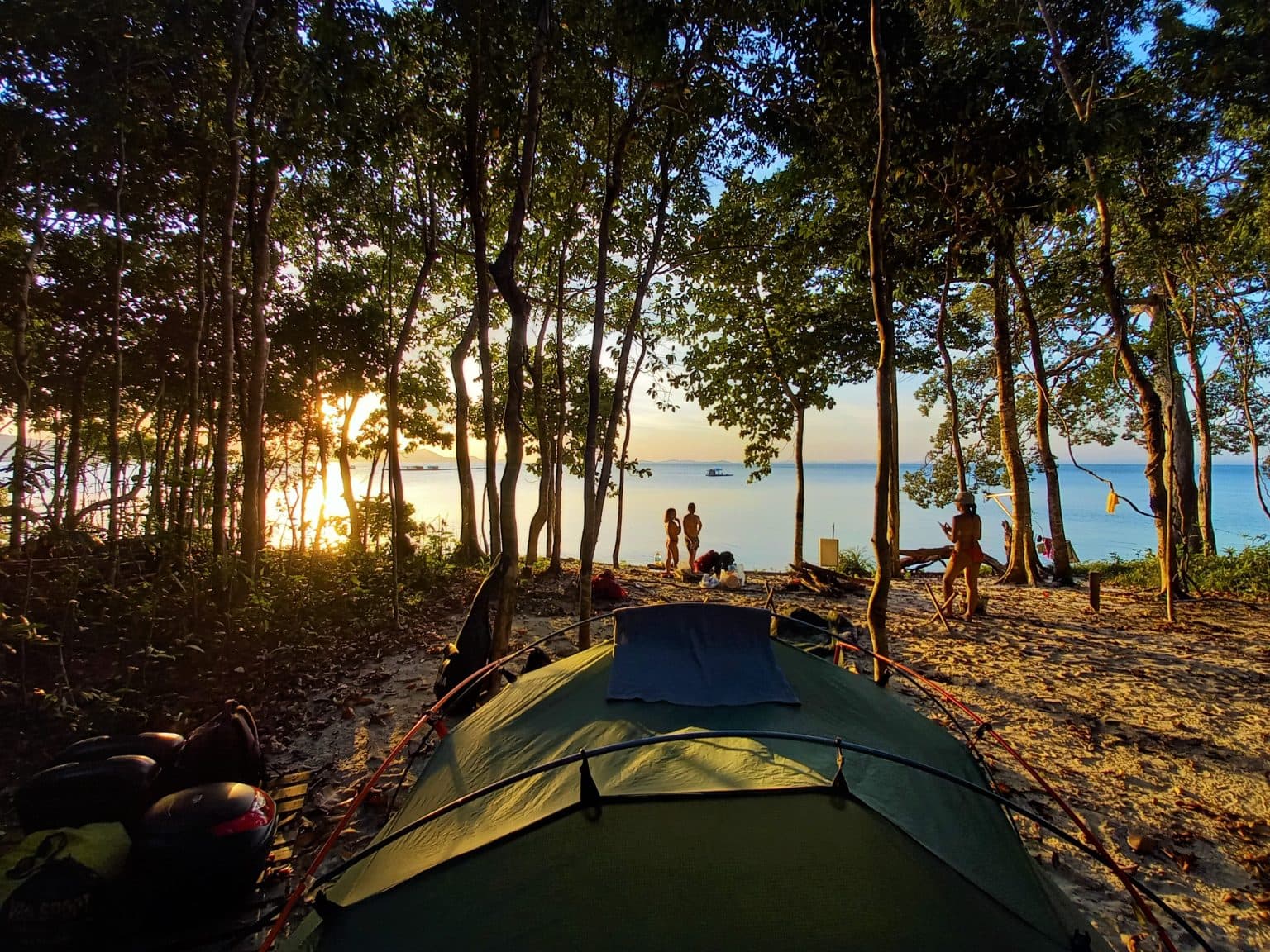
Description: Only accessible by boat, Hàm Rồng (Dragon) Beach is a long, narrow lip of white sand sliding into shallow, turquoise water backed by dense jungle with dramatic hills rising behind. The location is beautiful. There’s no development here apart from some wooden platforms for daytrip picnics and group camping, and a boat house for watersports equipment and a small homestay hut. The stunning 10-minute boat ride can be arranged from any of the seafood restaurants on neighbouring Rạch Vẹm (Starfish) Beach, just to the south. With some negotiating, you should be able to get the price down to a reasonable 100,000vnd per person for a group of at least four people. Dragon Beach has two rickety wooden piers at either end, but the boat can drop you anywhere you like along the sand. The northern end is popular with day-trippers and it looks like there’s going to be some small development here, so if you want a peaceful, quiet and isolated patch of sand, stick to the southern end. Out in the distance, you can see the jungle-covered hills of Gành Dầu, the northwestern-most point of Phú Quốc, beyond which the Cambodian islands and mainland are clearly visible. There’s currently no accommodation on Dragon Beach, but this may change soon. However, wild camping on the beach is a magical experience if you have your own equipment.
Cửa Cạn Beach
Description: Mellow, slow-paced and yet to be developed, Cửa Cạn is a small settlement in the north-west of the island, situated at the point where a clear-flowing river empties into the sea. As it drains into the Gulf of Thailand, the river creates a long sandbar lined with casuarina trees, with the sea on one side and the river on the other. The village is a bit run-down, but it’s a friendly place with some street food and several tiny alleyways leading onto the beach. It’s a lovely spot under the casuarina trees with Dinh Bà Thủy Long temple facing the ocean. The sea is good for swimming, but the beach suffers from trash: it functions as an informal dump for the village. There are two excellent resorts at the northern end of Cửa Cạn Beach: Green Bay and Chez Carole. Much cheaper but still very atmospheric accommodation can be found just back from the beach, overlooking a lagoon formed by the river: Eco Lodge and Eco Lagoon. There’s also a good local seafood restaurant here, called Huỳnh Bình. To the south of the river mouth, although not technically Cửa Cạn Beach, the Mộ Bà Lê Kim Định shrine is an OK place to swim and the enormous, very well-equipped and well-run (if a bit characterless) Movenpick Waverly Resort has a great stretch of beach too.
An Giang
Travel Blog
Why you should choose us?
We have Vietnam tourism license
We have good agencies
We try make you happy