LAM KINH: TOMB OF LÊ LỢI
00
09
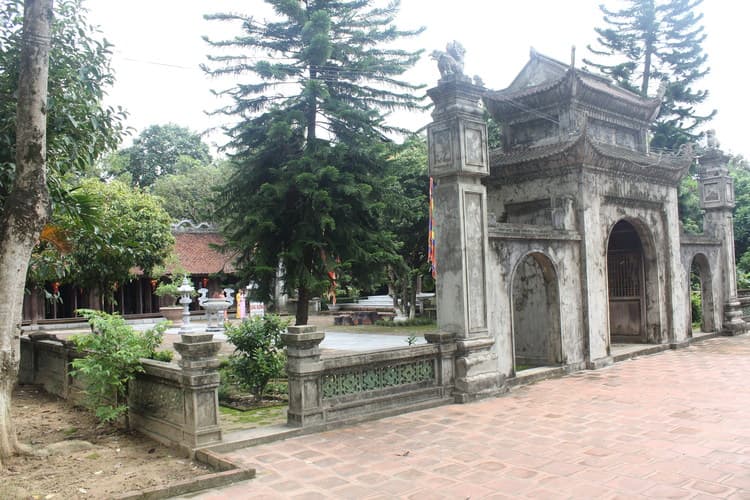
At an unremarkable junction on the Ho Chi Minh Road near Lam Sơn hamlet, not far from Thọ Xuân Airport, is the final resting place of Lê Lợi (1385-1433), one of Vietnam’s most revered national heroes.
Hidden amongst tall trees – shimmering with cicadas in the heavy heat of north-central Vietnam – Lam Kinh is an important and atmospheric historical site that, although well-known to many Vietnamese, is rarely visited by foreign travellers.
Nestled in a bend in the Chu River, Lam Kinh is an ancient compound comprising temples and tombs of emperors and empresses from the Lê Dynasty (1428-1789), scattered over large, peaceful grounds, including lakes, streams and forests.
At the centre of the complex is the mausoleum of Lê Lợi, who founded the Lê Dynasty in 1428 having led a 10-year uprising (1418-1427) to defeat the occupying Ming Dynasty Chinese.
Upon victory, Lê Lợi was crowned emperor in Thăng Long (Hanoi) and ordered construction of a citadel and stronghold in his hometown, Lam Sơn, the site of which became known as Lam Kinh. Also referred to by his imperial title, Lê Thái Tổ, the name of Lê Lợi will be familiar to anyone who has travelled in Vietnam: roads are named after him in every town and city in the nation, as well as temples and shrines where he is still worshipped to this day. In the pantheon of Vietnamese national heroes, Lê Lợi stands very near, if not at, the top.
Elegant & Dignified Mausoleum Complex of a Revered Emperor
Like many such historical sites in Vietnam, Lam Kinh is well-maintained, attractively presented and low-key. Even if you have little interest in the history, Lam Kinh is still a pleasant place to visit, stroll around and admire the monuments.
The entrance is at the intersection of Lê Thái Tổ and Phạm Thị Ngọc Trần streets. Tickets (30,000vnđ) are purchased at the kiosk, where there are also refreshments and souvenirs available. Visitors are issued with an illustrated leaflet (in English) and map of the site. It doesn’t matter which order you explore the complex, and there’s English-language signage throughout.
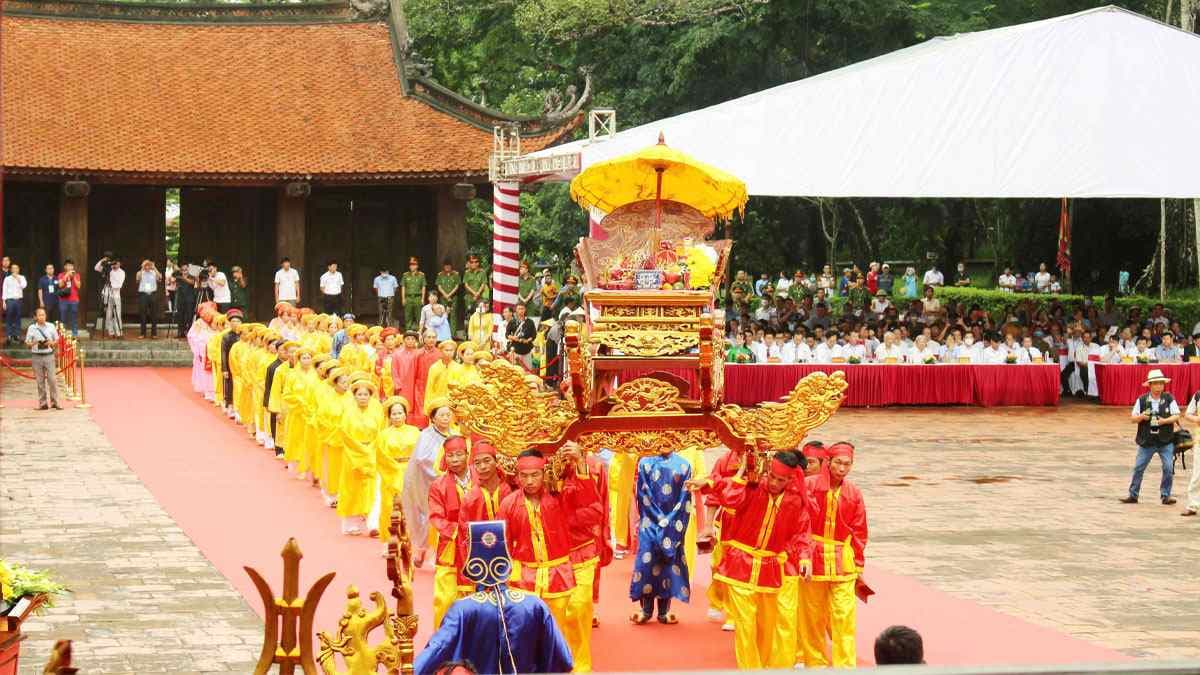
An audio guide is available and you scan QR codes at each monument. Note that Lam Kinh is not just an historical site, it is an active place of worship where many Vietnamese come to pay their respects to Lê Lợi, light incense and make prayers.
Thanh Hoa
Travel Guides
Why you should choose us?
We have Vietnam tourism license
We have good agencies
We try make you happy