Cánh Tiên Tower & Vijaya Citadel
00
04
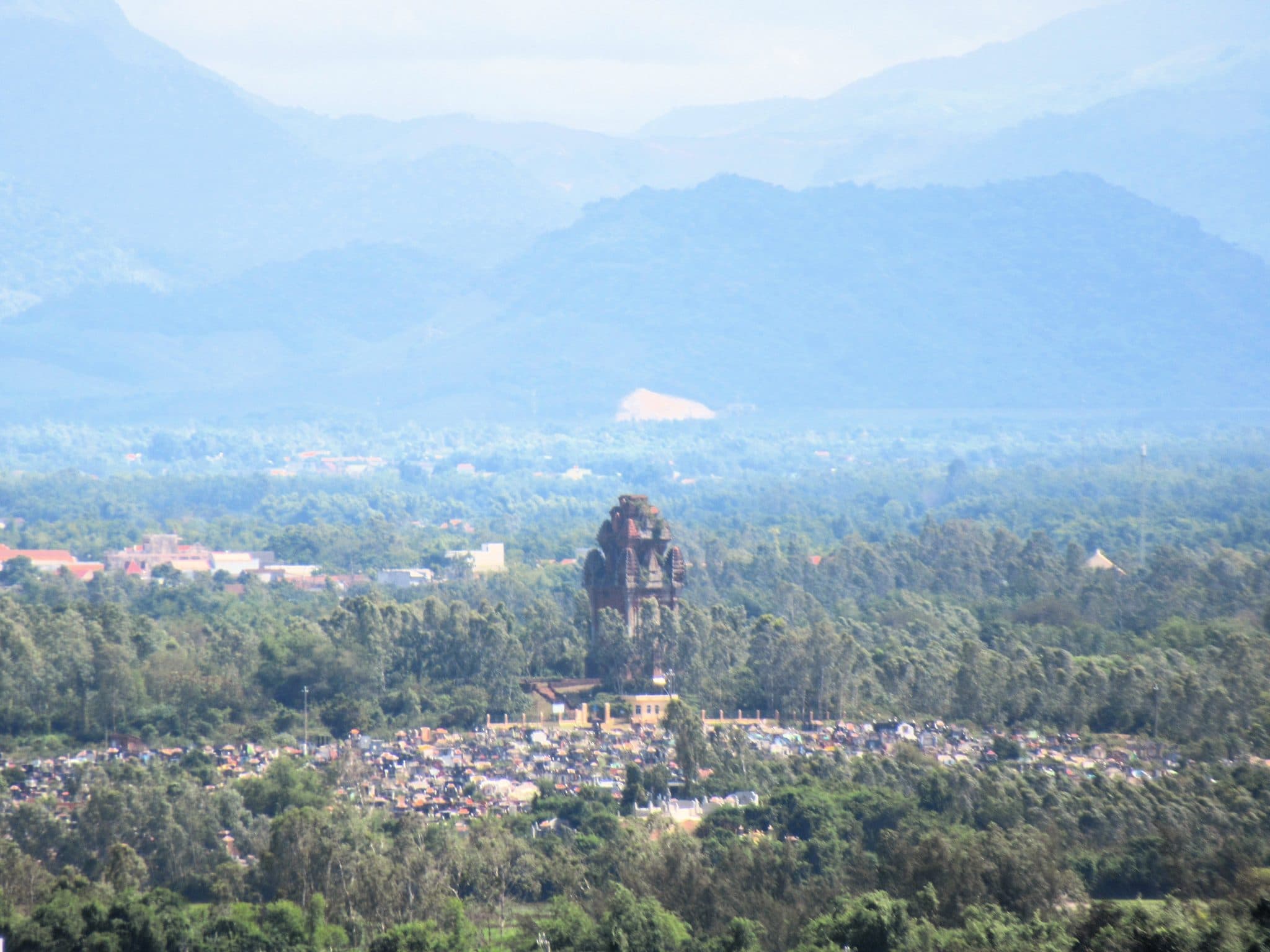
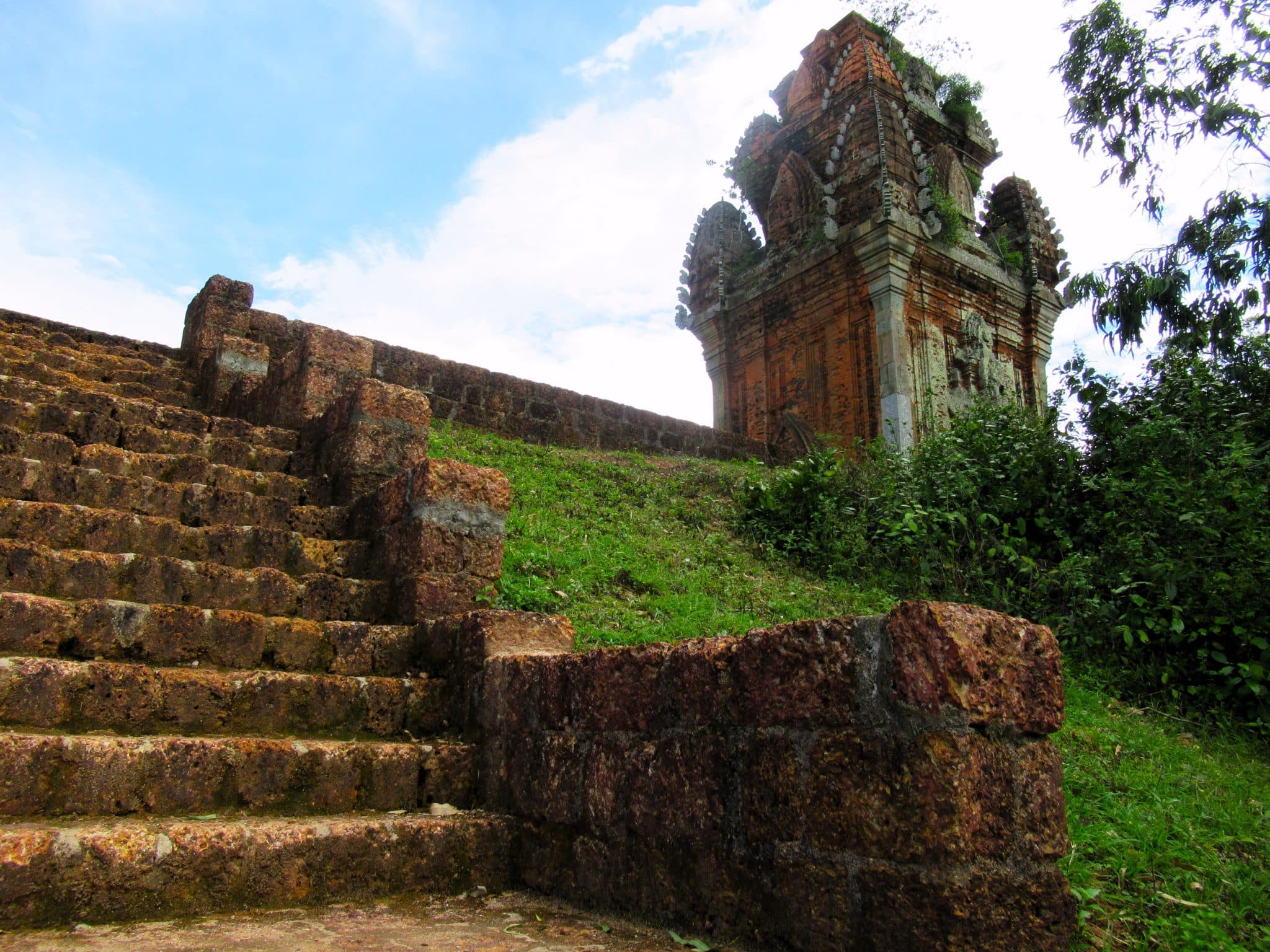
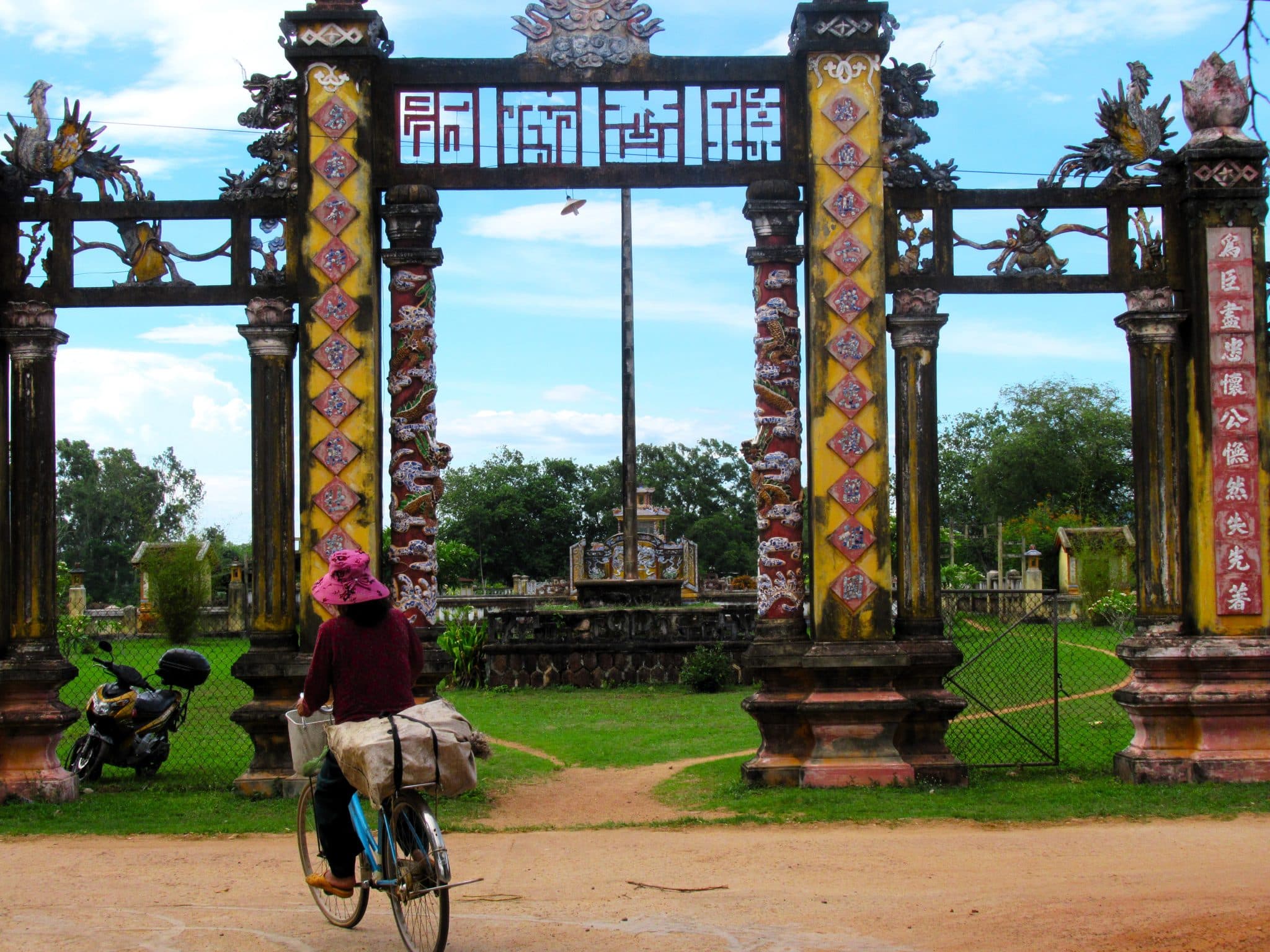
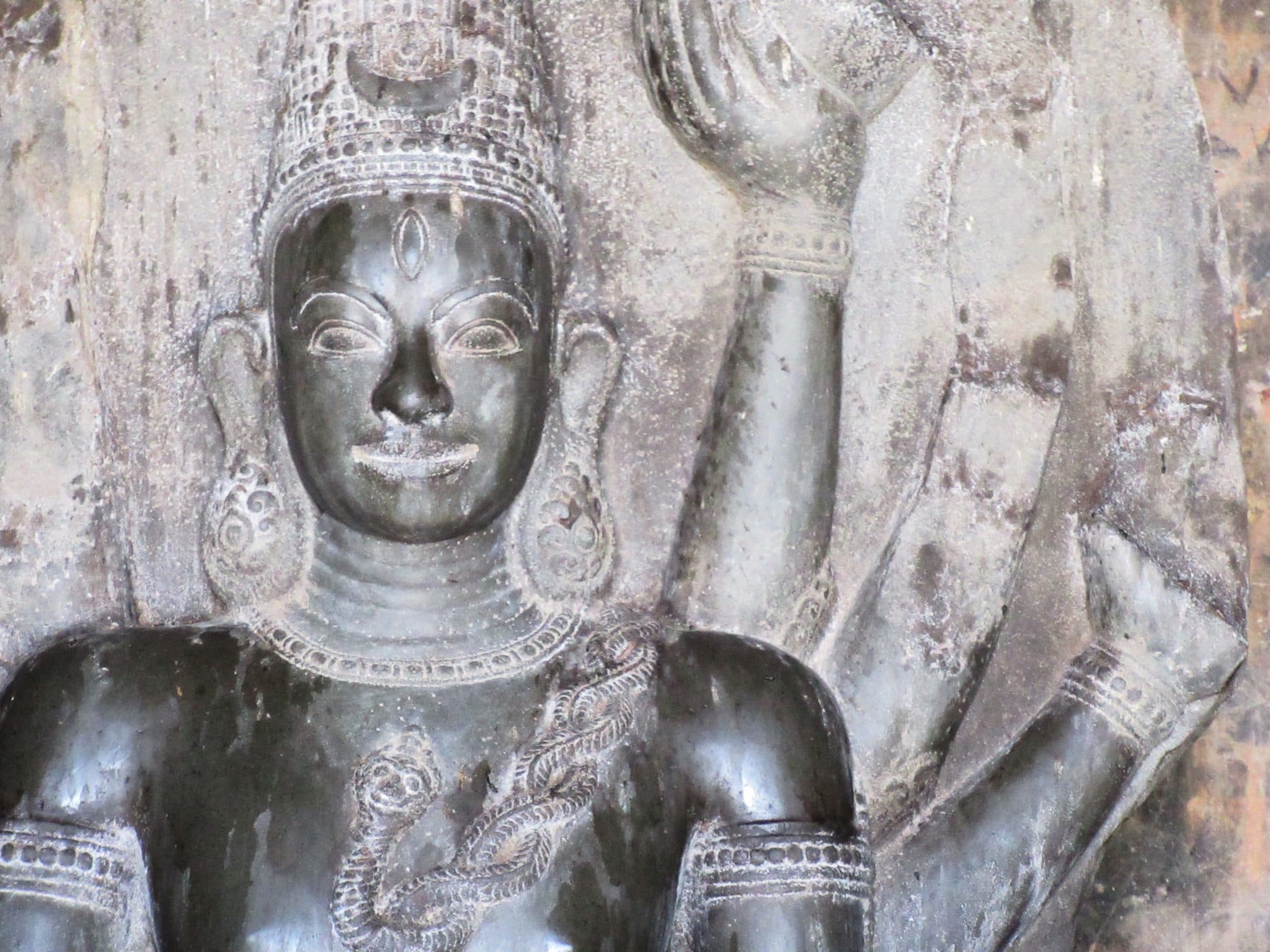
Vijaya (also known as Chà Bàn and Đồ Bàn) is one of those places with a lot of history but very little visible signs of it. The Cham capital from the 11th to 15th century, Vijaya was rich and prosperous. As such, it was subject to many besiegements, sackings and bloody battles.
The Khmer, Mongol and Vietnamese armies all came and conquered, but, as far as I understand, the citadel stood in one form or another, albeit by different names and under the control of different dynasties, until at least the early 19th century. The site of Vijaya was in Vietnamese hands since 1471, when it was finally captured by emperor Lê Thánh Tông, who oversaw the battle in which some 60,000 Cham were killed. Then, during the Tây Sơn Rebellion, which overthrew the ruling Vietnamese imperial dynasty in the late 18th century, Vijaya was rebuilt as Hoàng Đế Citadel, stronghold of the Tây Sơn Dynasty in Central Vietnam. However, this only lasted a generation, as Hoàng Đế was ultimately taken, retaken, and taken again after several more brutal sieges by Nguyễn Ánh, who would later become emperor Gia Long, the first of the Nguyễn Dynasty emperors.
Very little remains of the once great citadel. Parts of the original city wall stand, but most of it has been restored. Open excavations reveal some of the original Cham structure, but the majority of what you see today dates from the Nguyễn Dynasty, from the 19th century. Still, it’s an atmospheric place to visit and there’s no one else around. I find there’s a certain pathos about Vijaya today: for all of the blood that was spilled in order to hold it or defeat it, all the importance and significance it once had, it’s now hardly more than a forgotten field amongst farmland, with the Reunification Express train rattling by several times a day, a few airplanes passing overhead on their descent to Phú Cát Airport, cows munching grass next to stone dragons, and farmers pedaling silently past. This is the site of some momentous shifts in the history of the land we now know as Vietnam, yet it attracts very little interest.
Only a couple of minutes due east of Vijaya, Cánh Tiên tower stands on a gentle rise that was once part of the ancient citadel. Heavily restored, many of the tower’s decorative features appear to be representations of the tropical foliage that dominates lowland Vietnam. As such, (and as with all Cham towers in Vietnam) the architecture fits its natural environment, managing to be both dominant and harmonious at the same time. Cánh Tiên tower was constructed in the 12th century.
Gia Lai
Travel Blog
Why you should choose us?
We have Vietnam tourism license
We have good agencies
We try make you happy