Bánh Ít Cham Pa Towers in Gia Lai
00
07
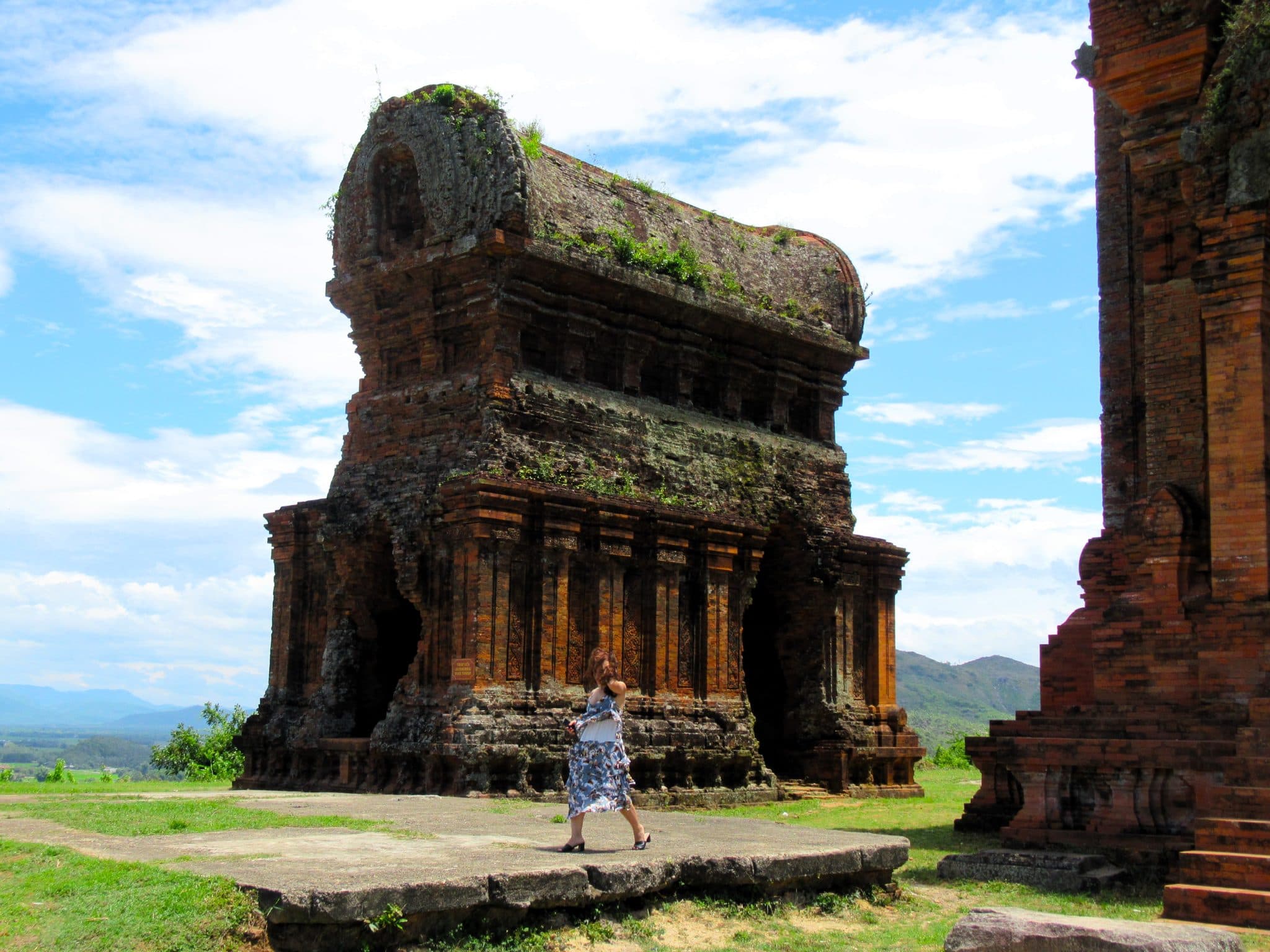
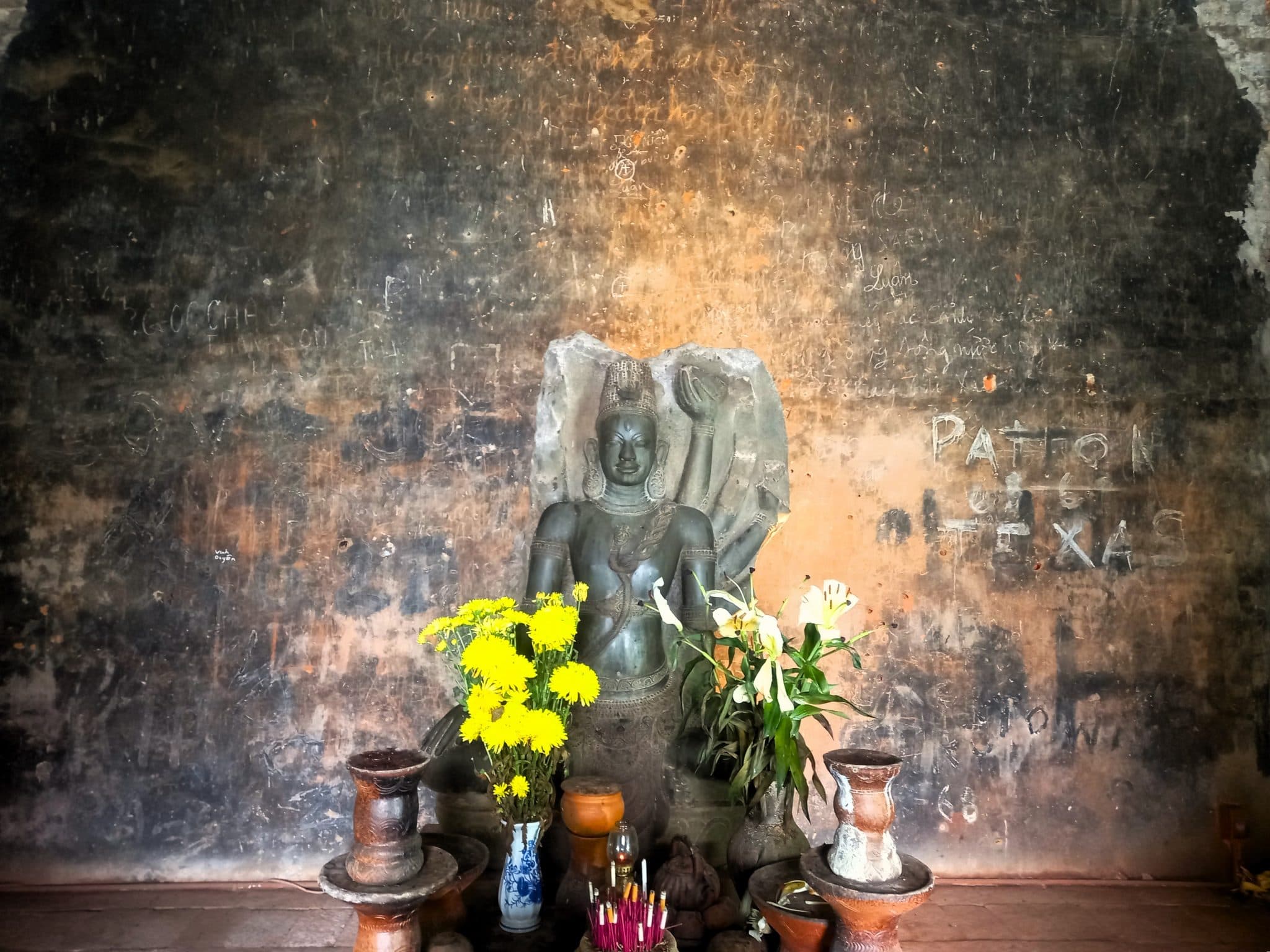
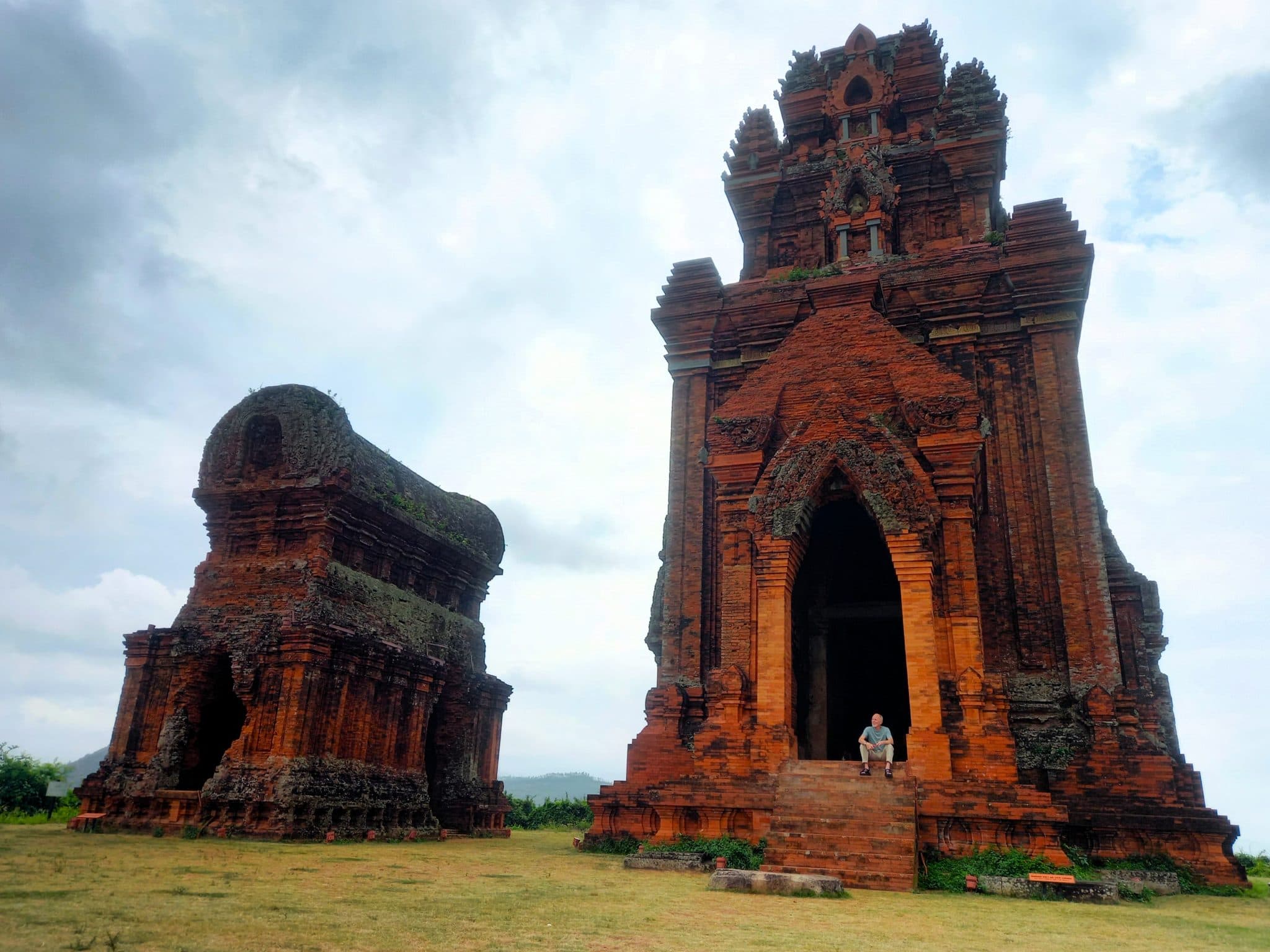
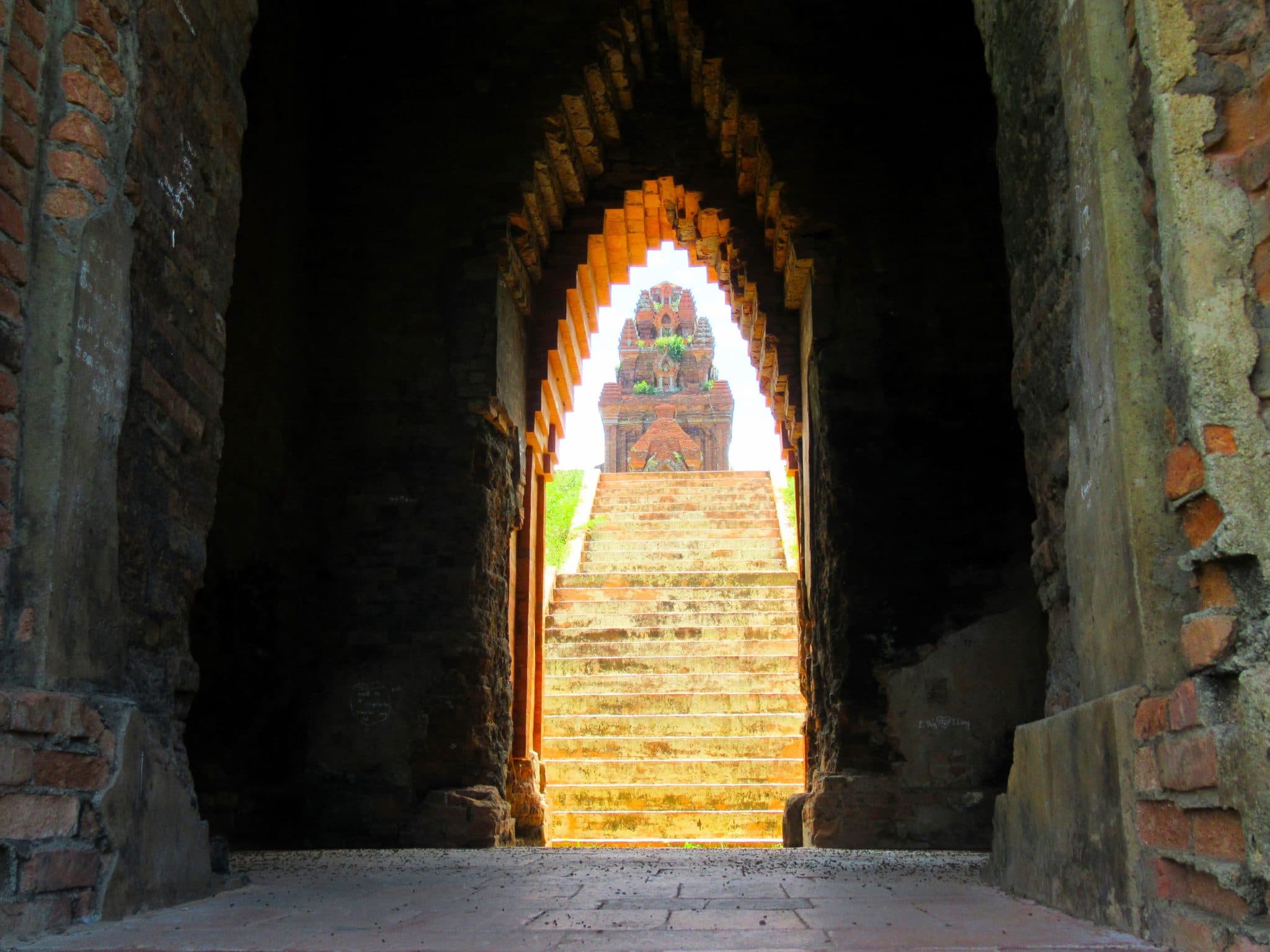
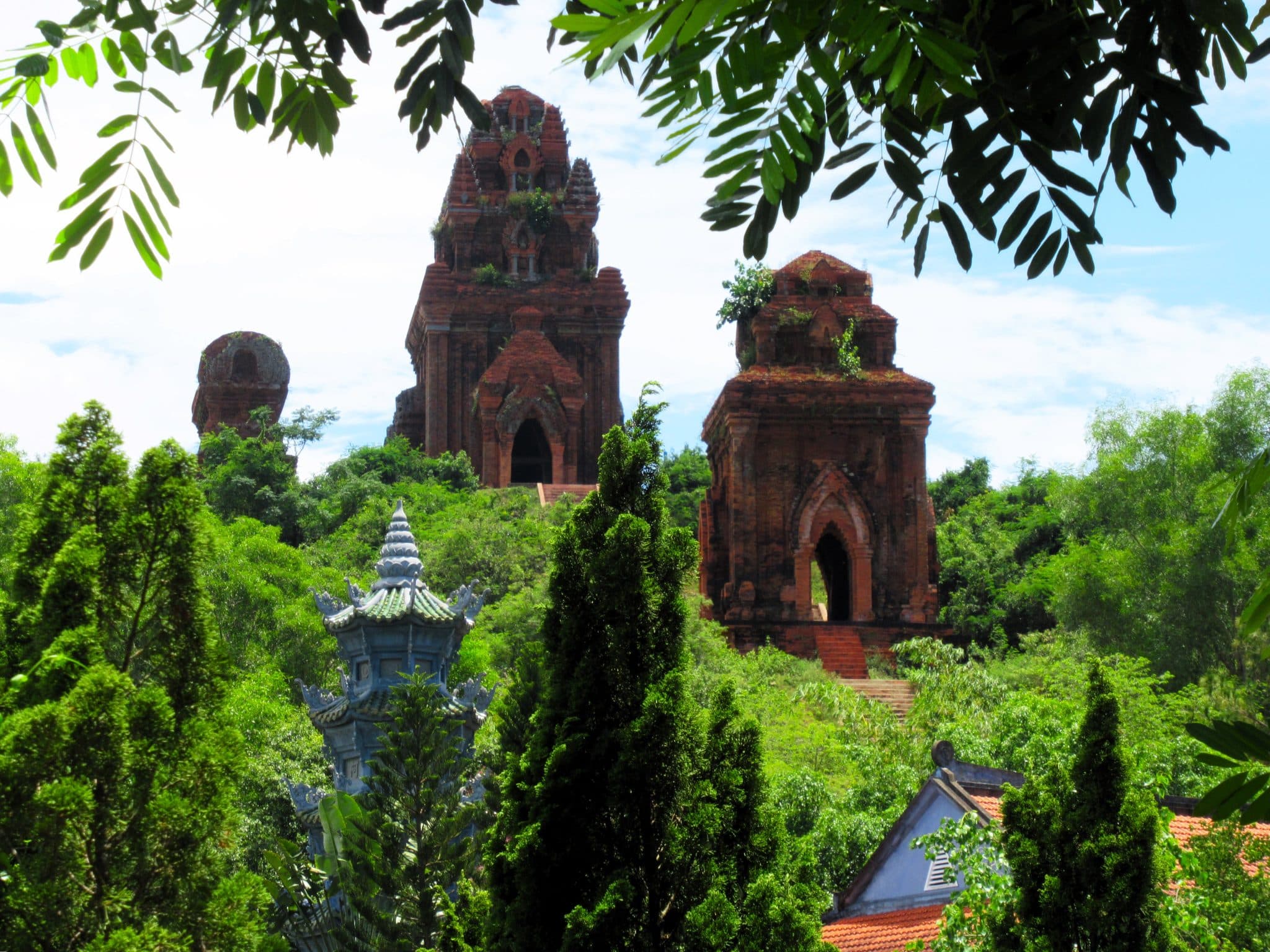
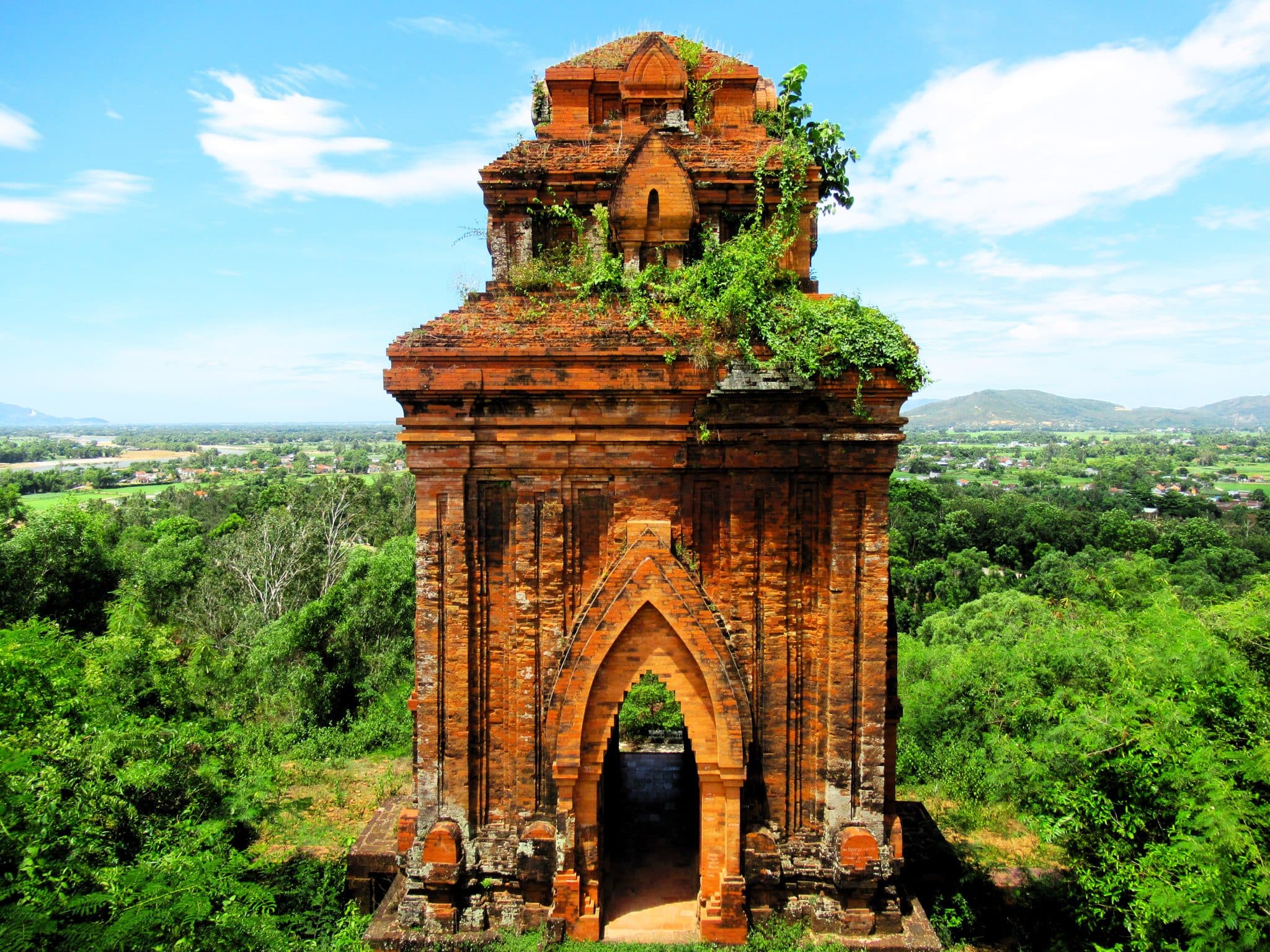
Hiding in plain sight just 15km northwest of Quy Nhơn, Bánh Ít towers are seldom visited despite being easily accessible and in full view of National Highway 1A. Beautifully restored, the four Cham towers at Bánh Ít have a powerful presence and a commanding position atop a hill. Although the site is fully developed to accommodate many hundreds of visitors, tourist numbers are few and if you visit at lunchtime you could have the site to yourself. Down the centuries, the Cham Kingdom was pushed further and further south due to Chinese and Vietnamese military advancement from the north and attacks from the Khmer Angkor kingdom from the west. Thus, the Cham towers in Bình Định Province are later than those in Quảng Nam Province to the north, such as Mỹ Sơn. The four Cham towers at Bánh Ít date from the 12th to 13th centuries, when the Cham capital had shifted south to Vijaya after the fall of Indrapura, near present-day Đà Nẵng. The Bánh Ít towers are wonderfully situated on a breezy hilltop with panoramic views over the cultivated flood plains of the Thị Nại River, with the Trường Sơn Mountains to the west and the ocean to the east.
As is often the case with ‘holy lands’, this location has continued to be sacred for future inhabitants, long after the Cham (and the Hindu deities whom they worshiped) had declined. A Buddhist monastery stands at the foot of the hill and a cemetery is scattered over the lower slopes. As with sacred sites across the Mediterranean, it would seem that land, once sanctified, remains holy through the centuries, regardless of what religion is currently dominant in the area. A well-maintained pathway leads up and around the temple complex and it’s possible to enter the towers themselves. Unfortunately, someone at the provincial tourism authority thought it would be a good idea to pump loud music through speakers throughout the site
Ho Chi Minh
Travel Blog
Why you should choose us?
We have Vietnam tourism license
We have good agencies
We try make you happy